Quasimorph Armor and Resistances
Protection, weaknesses, and examine tactics for 1.0
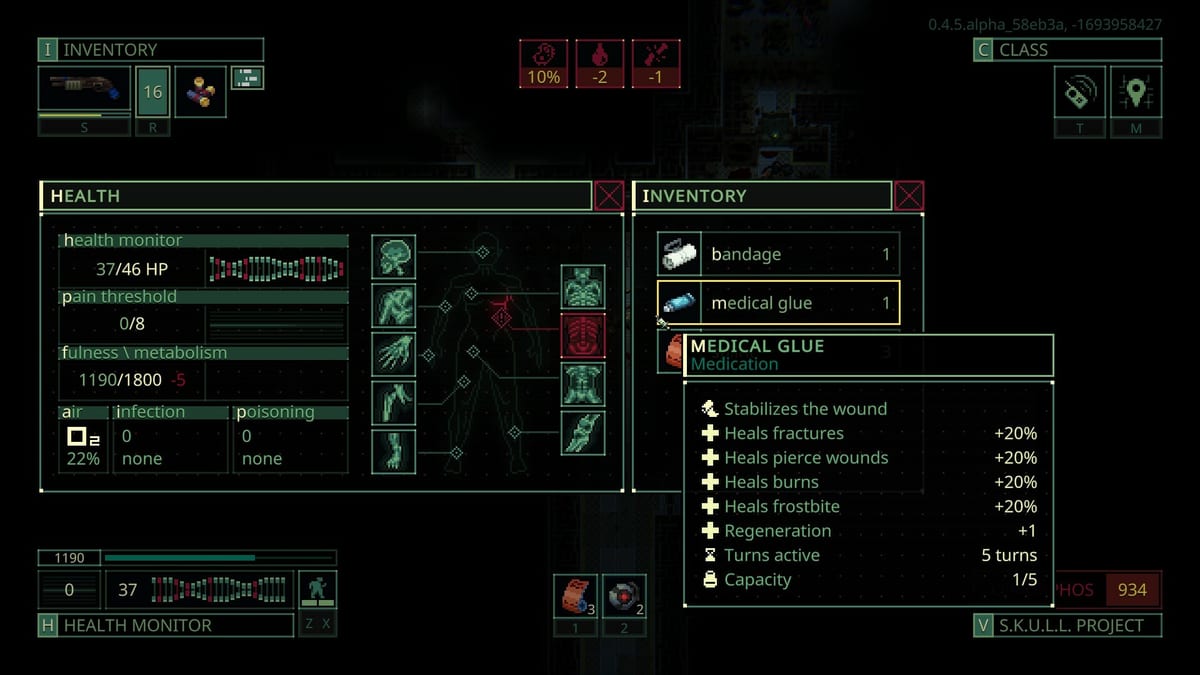
Armor and resistances form the hidden math that ends Quasimorph runs when ignored. Every clone, mercenary enemy, and robot platform wears protection values and typed resistances that shrink incoming damage. Faction tech on the World map upgrades enemy gear over campaign weeks, so a strategy that worked on early Mars sorties may fail once stations climb tech levels. Magnum Scriptum expects you to examine targets, adapt weapon types, and pack mixed loadouts from Weapons rather than brute-force one rifle through an entire station.
How examine works
Right-click an enemy during your turn to open the examine panel. You see health, wounds, equipped armor pieces, pain status, and resistance percentages by damage type. Examine costs little compared to wasting a full magazine into pierce-immune robots. Make examine a reflex tied to Keyboard Controls or Steam Deck right-click emulation before shooting unknown units.
Examine also reveals weak armor zones indirectly through weapon profiles on enemies. If a target carries heavy plate but low cut resistance, swap to shotguns or machetes even when your primary rifle looks stronger on paper.
Damage types versus resistances
Quasimorph damage types include pierce, cut, blunt, fire, and specialized categories on explosives and energy weapons. Resistances above one hundred percent heavily mitigate a type; negative values mean weakness. Robots commonly resist pierce, blunt, and fire while weak to cut, a pattern repeated in community guides and Getting Started tips.
Human factions mix loadouts by role: riflemen, shotgunners, flamethrower units, and cyborgs each demand different answers. Timed missions with Quasimorph spawns punish slow swaps; pre-plan dual-type kits in Loadout Planner and Builds.
Armor on enemies
Enemy armor subtracts damage before resistances apply on many hits. High-tier Conquest squads stack armor with shields and pain thresholds that stunlock careless melee players. Eclipse Blades builds need series-of-hits weapons and buffs like cannibalism to punch through armored elites in one door peek rotation.
Destructible cover and explosive barrels interact with armor indirectly. Sabotage missions warn that some objectives explode; use ranged cut or pierce tools from safe tiles.
Hotfix note — Stonecrusher as Power Armor
Hotfix 1.0.561 reclassified Stonecrusher as Power Armor and adjusted related recipes. Treat Stonecrusher kits under Power Armor weight, slot, and craft rules — not older Early Access assumptions. Re-check Magnum benches and stash tags after updating; details sit in Post-1.0 Hotfixes and Crafting and Consumables.
Armor on your clone
Your clone wears looted or crafted armor panels with weight costs. Heavier kits reduce dodge, already fragile when backpacks fill during Tunnel Rats routes. Armor saves mistakes but does not replace correct enemy typing. Medkits stabilize all wound types for emergency healing; bandages and splints remain efficient for single injury categories per Crafting and Consumables.
Pain threshold stuns when exceeded, skipping actions regardless of armor rating. Pain affects enemies too; bleed and fracture tactics soften targets before ammo spend.
Scaling with faction tech
Station owners on the galaxy map display tech level influencing loot and enemy equipment tiers. Beneficiary and aggressor factions on mission cards determine which pools spawn. Higher tech introduces resistances earlier in a floor clear. Track reputation and tech on factions you farm for barter so you know when old kits obsolete.
Meta-progression chips extracted from missions unlock classes and recipes that catch up to tech curves. Follow Walkthrough pacing instead of rushing timed zones undergeared.
Resistance checklist by foe
| Foe pattern | Often weak to | Often resists | Tool |
|---|---|---|---|
| Robots | Cut | Pierce, blunt, fire | Shotguns, machetes |
| Heavy human plates | Blunt, explosives | Pierce | Hammers, grenades |
| Flamethrower units | Cut at range | Fire | Door peek, shotguns |
| Cyborgs | Varies; examine | Mixed | Swap after panel read |
Always confirm with examine; outliers exist in elite squads.
Class and operator interactions
Operators do not bypass resistances. Isabella Capet ignores infection, not armor. Victoria Boudicca range helps apply cut shotguns safely. Scouts of Hades accuracy perks reduce wasted weak hits but never replace typing. Tifton’s Elite sustained fire needs sidearm swaps when LMG ammo type wrong.
Stance and accuracy interplay
Sprint stance lowers ranged accuracy; walk stabilizes shots into weak points. Melee uses clone accuracy plus weapon pattern; door peeking avoids open-floor penalties. Sneak rarely changes resistances but helps avoid fights you cannot type correctly without setup turns.
Practical mid-mission adaptation
When floor composition surprises you, loot enemy weapons matching needed types even if UI color looks worse than your primary. Disassemble wrong-type junk later on ship. Mid-mission crafting is limited; adaptation means swaps not bench fixes.
If two elites cover different resistances, separate them through doors and examine each before committing grenades or medkits.
Long-term gear planning
Maintain extracted cut and pierce favorites on ship stash. Label mentally by mission faction from World intel. Upgrade bench recipes when wiring and plating stockpile from cyborgs noted in Weapons.
Armor and resistances reward curious players. Examine every new icon, carry two types minimum, and align Classes builds with the enemies your chosen factions spawn at current tech.
Frequently Asked Questions
Quick answers to the most common questions.
What changed about Stonecrusher armor after Quasimorph 1.0?
Hotfix 1.0.561 treats Stonecrusher as Power Armor and adjusts its recipes. Rebuild or re-verify craft plans after updating the client.
How do I check enemy resistances in Quasimorph?
Right-click an enemy during your turn to open the examine panel. Resistances and armor appear alongside wounds and equipment.
Why does pierce damage fail against robots?
Most robots heavily resist pierce, blunt, and fire. Switch to cut weapons such as shotguns or machetes after examining the target.
Do resistances increase during the campaign?
Enemy gear scales with faction tech and mission tier. Higher tech stations field tougher armor and resistance profiles.
Does player armor negate resistances?
No. Armor reduces incoming damage to your clone but does not change which types enemies resist. Offense typing still matters.
How many damage types should I bring?
At least two on every mission. Mixed squads and scaling tech make single-type loadouts fail consistently in mid game.