Quasimorph Review
Is the July 2026 full release worth your clone budget?
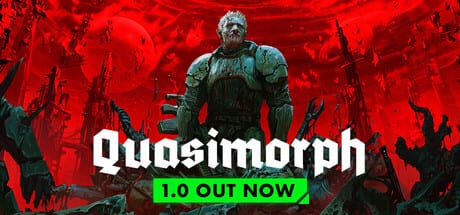
Quasimorph is a turn-based extraction RPG on Steam developed by Magnum Scriptum and published by HypeTrain Digital. Early Access began October 2, 2023; version 1.0 launched July 31, 2026 with five storylines, nine endings, and the full horror-extraction loop the marketing promised. This review covers what changed at 1.0, who should buy, difficulty and learning curve, system requirements, strengths and weaknesses, and whether the game is worth picking up now versus sitting on your wishlist.
Watch the embedded gameplay overview, then use our Guides Hub and Walkthrough Hub if you decide to deploy.
What Quasimorph is
At its core Quasimorph is single-player, turn-based, and extraction-focused. You manage the Magnum ship between missions, upgrade Navigation, Engineering, Supply, Research, Hangar, and Cloning departments per the Magnum Ship Guide, then send clones into faction-controlled stations to loot and extract. Die on station and unextracted inventory vanishes — a roguelike stake layered with tactical AP combat, stance management, and on stations outside Mars’s Absentia moons systemic horror via Quasimorphosis.
The 1.0 release adds structured narrative through Civil Resistance, Tezctlan, Xiomara, AnCom, and RealWare arcs documented in Campaign Overview. Early Access veterans get ending payoff; new players get a complete package rather than an indefinite preview.
Patch 1.0.1 (August 2026) delivered targeted QoL for onboarding: clearer inventory management, a reworked trading screen, and implant status on the HUD so new clones spend less time hunting menus. Patch 1.0.2 (August 14) added the sort button, Cryochamber filters, Investigating AI, and camera drag that 1.0.1 still left unfinished. Read Patch 1.0.2 notes and pair both patches with system requirements if you are sizing a PC or Steam Deck setup.
Pros
Distinct genre fusion — Quasimorph occupies a rare overlap: XCOM-style turns, extraction permadeath, and station horror that reshapes missions mid-run. Few Steam titles commit to all three without diluting one pillar.
Clarity of rules — Stance AP costs, examine-before-shooting, and extract-or-lose loot are legible once learned. Getting Started with Quasimorph, Combat Stances, and Room Clearing Tactics translate systems faster than trial-and-error alone.
Absentia onboarding — Mars, Phobos, and Deimos teach extraction without Quasimorphosis, a thoughtful ramp documented in Quasimorph Solar System.
Deep economy loop — Magnum barter, faction reputation from the Factions Guide, and crafting in Items reward planning between deployments. Bartering on the Magnum matters as much as aim.
1.0 narrative completion — Five storylines and nine endings give campaign players closure missing from many Early Access exits.
Mission type flexibility — Defence, Control, and Security contracts lock horror meter at zero per Mission Types, letting cautious players progress story without constant Rapture stress.
Cons
Steep combined learning curve — Extraction loss, horror meter, faction reputation, resistances, and class systems stack simultaneously. New genre fans should budget hours before comfort.
Punishing clone deaths — Narrative items on unextracted corpses reset mission progress. Fair by genre rules, frustrating during Xiomara branch missions with multi-faction standing.
Horror spikes can feel opaque — Eccolapse and Rapture events demand Quasimorphosis Survival Guide literacy; impatient sprint players lose clones to the map.
UI and controller friction — PC keyboard-first design; Steam Deck players need community layouts. Inventory and examine rely on mouse precision.
Single-player focus — Single-player only per official scope. Extraction tension is solo.
Visual austerity — Functional tile aesthetics serve readability over blockbuster presentation. Horror comes from systems, not photoreal gore.
Difficulty and learning curve
Quasimorph is medium-hard for tactics newcomers, medium for roguelike extraction veterans who already examine and manage AP. Difficulty spikes come from:
- Leaving Absentia moons unprepared.
- Running assault missions when defence would lock Quasimorphosis.
- Single-damage loadouts against faction-tier resistances — see Armor and Resistances.
- Sub-zero faction reputation killing barter recovery after wipes.
Use Loadout Planner and Classes Tier List to smooth spikes. Difficulty is learnable, not arbitrary RNG.
Who Quasimorph is for
Buy if you enjoy:
- Turn-based tactical combat with meaningful AP trade-offs.
- Extraction stakes where loot matters because loss hurts.
- Systemic horror that changes routes, not jump scares only.
- Faction politics and barter economies between runs.
- Campaign replay for multiple endings.
Skip or wait if you:
- Dislike permadeath inventory loss on mission failure.
- Want real-time action or online squad play.
- Need hand-holding UI without external guides.
- Prefer narrative-only RPGs without tactical overhead.
Early Access returnees who already sunk hours get immediate 1.0 value. New buyers should commit at least ten hours through Mars certification and first storyline act before judging.
System requirements
Quasimorph targets PC via Steam with modest specs typical of indie tactical titles. Official store listing should be checked for patches, but expect:
- OS: Windows 10 or 11 64-bit.
- CPU: Modern quad-core processor; turn-based logic is not CPU-heavy.
- RAM: 8 GB minimum, 16 GB comfortable for background streaming.
- GPU: DirectX 11 compatible discrete or integrated GPU; 1080p low-medium settings.
- Storage: Several GB SSD recommended for load times.
- Input: Keyboard and mouse primary; controller partial with configuration.
No console ports announced at 1.0. Single-player requires no persistent online connection beyond Steam authentication.
Is Quasimorph worth buying after 1.0?
Yes, if the genre fusion appeals. At full release Quasimorph delivers a complete extraction RPG with horror differentiation, faction depth, and nine endings — reasonable value against price for players who finished similar titles like hardcore tactical roguelikes or extraction-adjacent RPGs.
Conditional yes for Early Access owners — If you already learned systems, 1.0 is the payoff patch. Jump into Walkthrough Hub for ending routes you missed.
Wait for sale if uncertain — Demo or wishlist, watch the embedded review footage, read Getting Started and Quasimorphosis pages. If permadeath extraction sounds stressful rather than thrilling, sale price reduces regret.
Magnum Scriptum shipped a niche game that knows its audience. It does not try to be a blockbuster shooter; it tries to be the best version of turn-based extraction horror on Steam — and at 1.0, it largely succeeds.
Where to go after purchase
- Getting Started with Quasimorph — Mars triangle certification.
- Combat Stances and Room Clearing — combat fundamentals.
- World Hub — factions, horror, Magnum upgrades.
- Classes Hub — operators, builds, tier list.
- Campaign Overview — pick your first storyline.
Quasimorph rewards patience, examination, and extract discipline. Buy it if that sentence sounds like fun, not homework.
Frequently Asked Questions
Quick answers to the most common questions.
Is Quasimorph worth buying at 1.0 full release?
Yes for fans of turn-based tactics, extraction permadeath, and systemic horror. Uncertain buyers should try guides and footage first or wait for a sale.
How hard is Quasimorph for new players?
Medium-hard initially due to stacked systems — stances, resistances, Quasimorphosis, and barter. Mars Absentia moons and our Guides hub reduce the curve substantially.
Does Quasimorph support multiplayer modes?
No. Quasimorph is single-player only on Steam PC. All missions are solo turn-based extraction runs.
What changed in Quasimorph 1.0 versus Early Access?
Full release on July 31, 2026 adds five storylines, nine endings, and completed campaign integration while keeping the core extract-or-lose loop intact.
What are Quasimorph PC system requirements?
Windows 10 or 11, 8 GB RAM, modest DirectX 11 GPU, and keyboard-mouse input. Steam Deck works with community layouts but is not plug-and-play.
Where should new Quasimorph players start after buying?
Getting Started guide for Mars certification, then Combat Stances and Room Clearing before leaving Absentia moons or starting a 1.0 storyline.